Body Sín Fín

Overview
Body Sín Fín unfolds a story across three interactive narratives, each centering on a different generation of a family in the Northern Andes Mountains in Colombia. The project examines how identity and lived experiences are inherited and shaped through trauma, agency, and responsibility.
The full project lasts approximately 45 minutes to an hour, with each narrative taking about 15-20 minutes to complete. Click the button below to play; Scroll down to learn about each chapter, research and references and other aspects to the project.
Chapter I: Parents
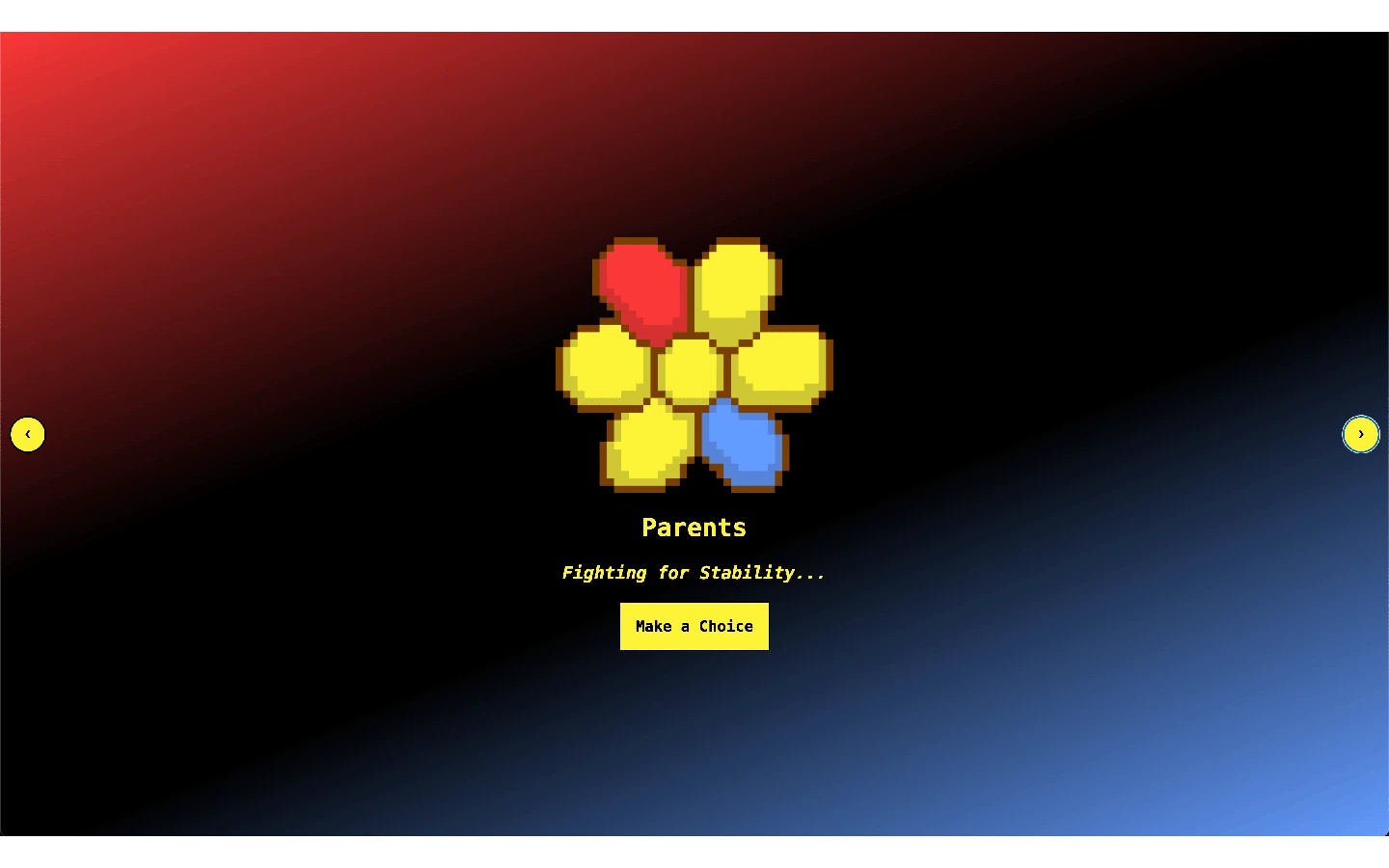
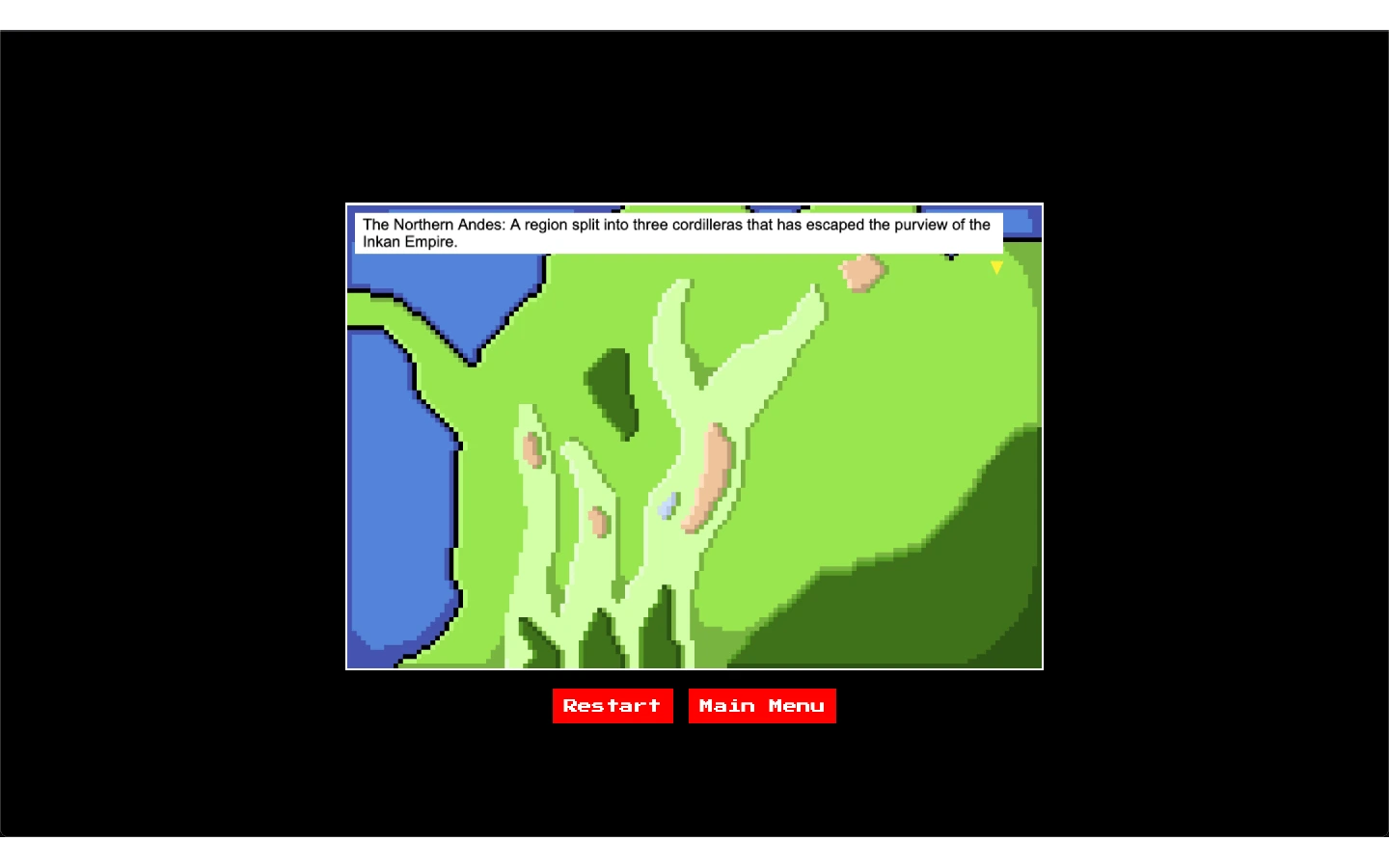
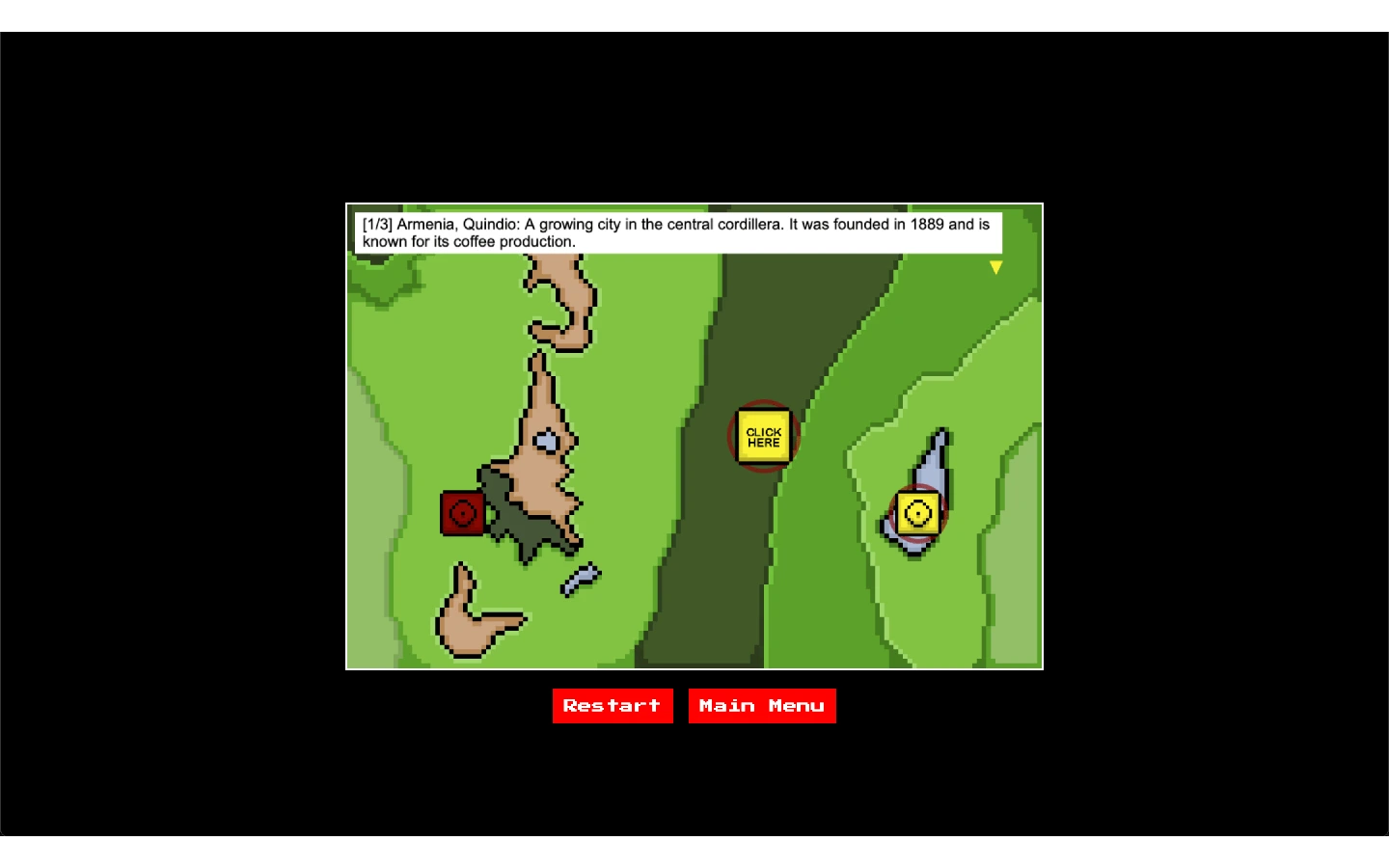
The first chapter is a point-and-click game that focuses on Jaime and Maria, the parents who own a bakery in Líbano, Tolima, during the 1950s. They try to remain neutral in the rural mountains as the civil war begins to unravel.
Chapter II: Sisters
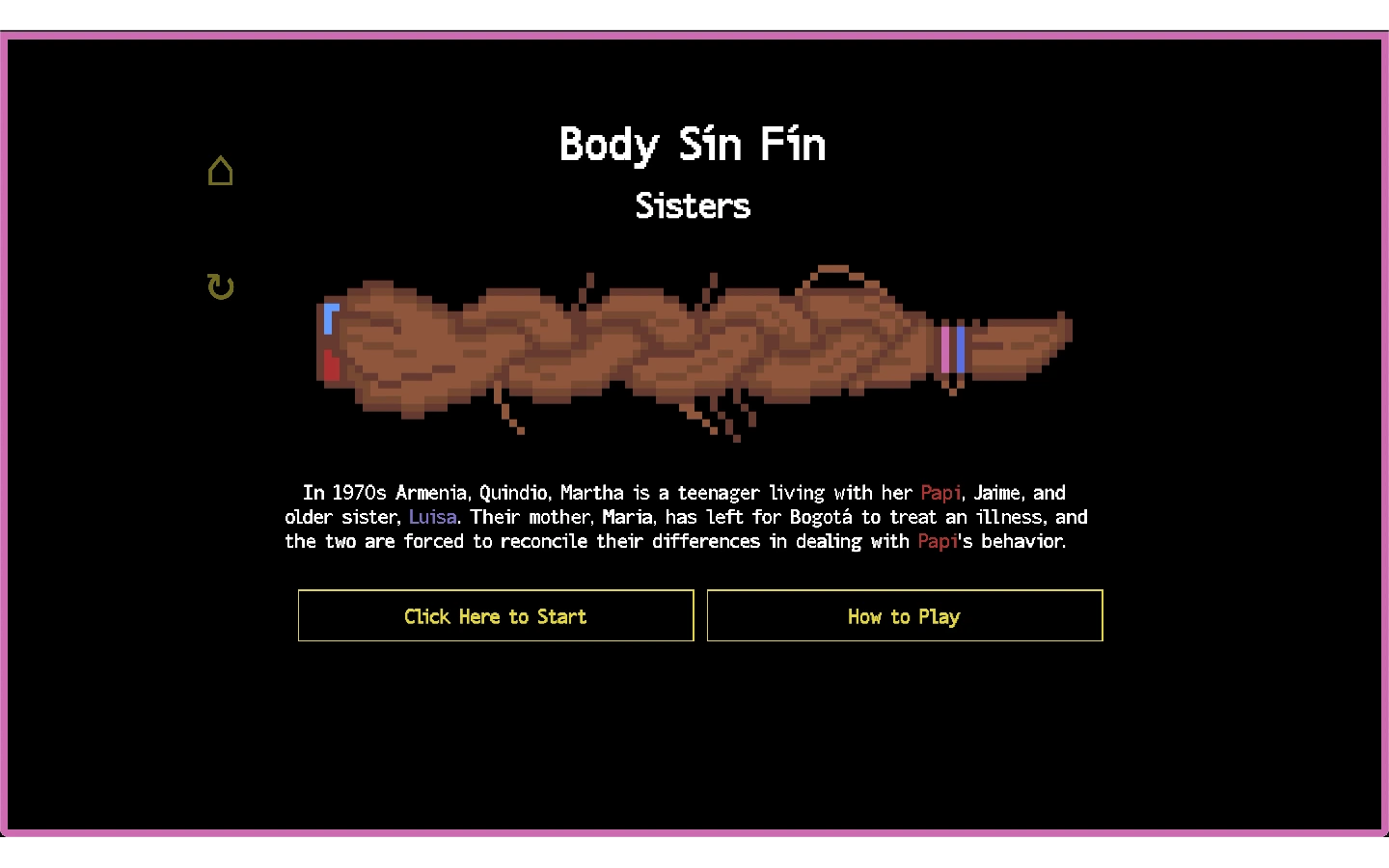
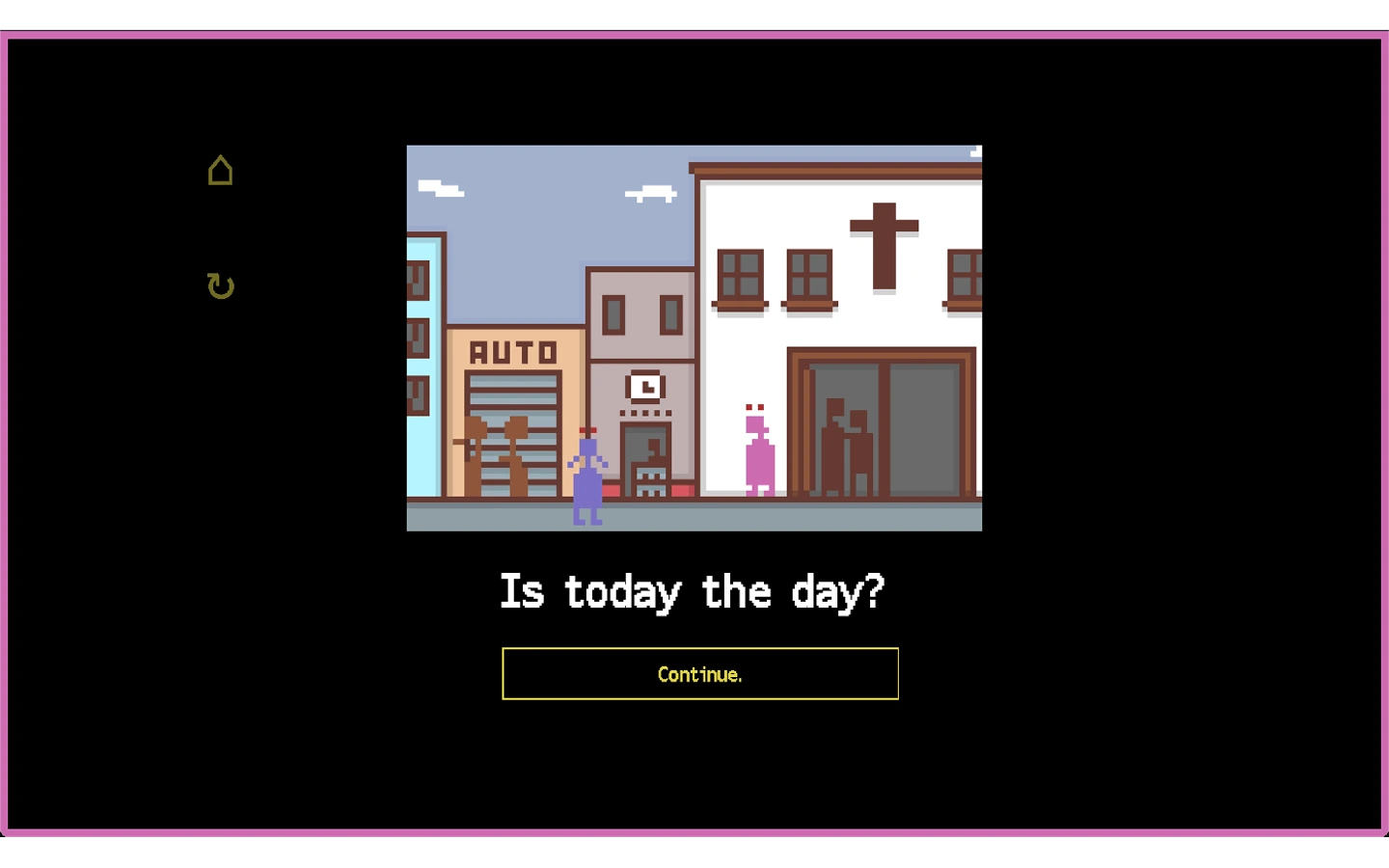
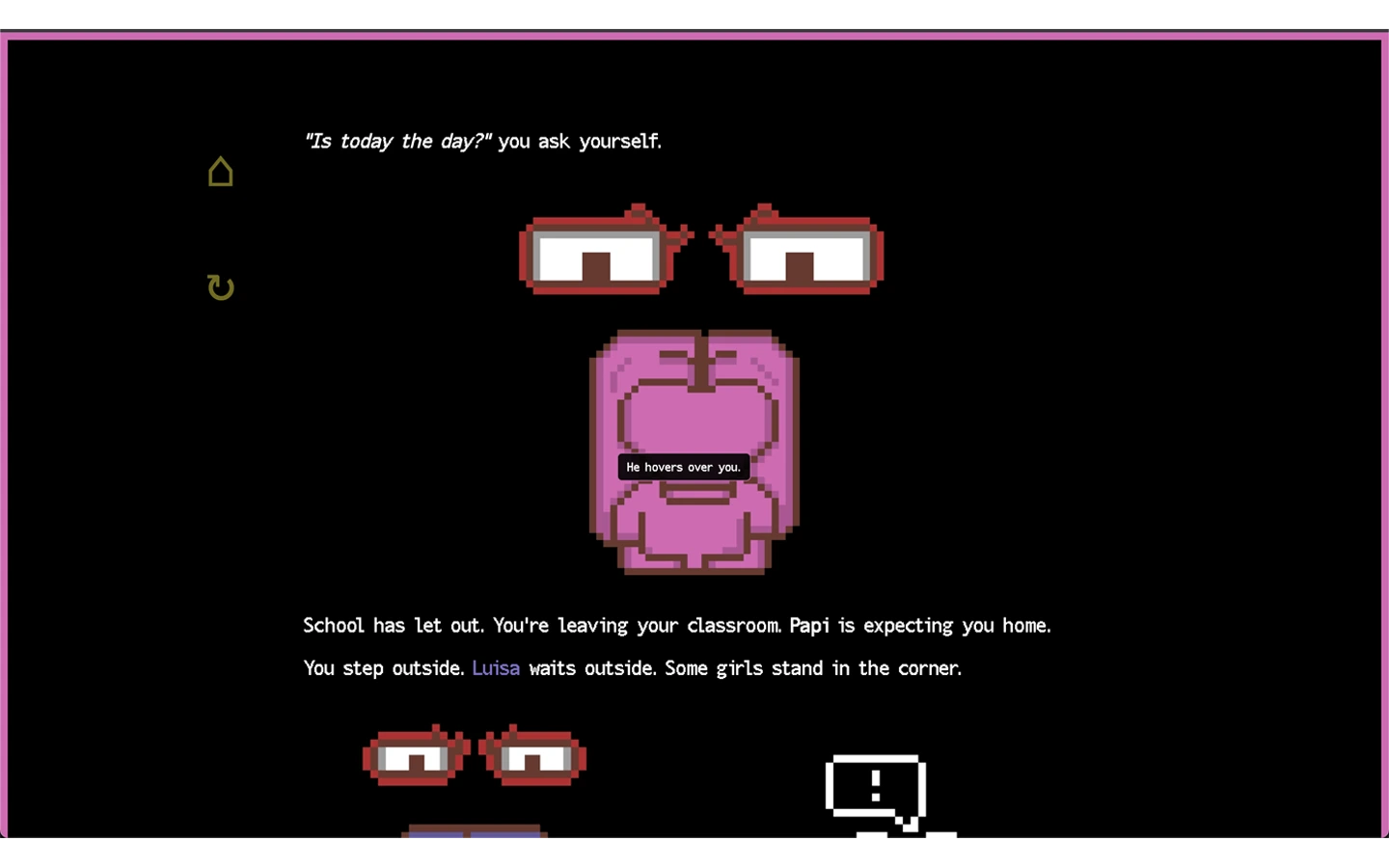
The second story is a hypertext visual novel that centers on Jaime and Maria’s two teenage daughters, Martha and Luisa, who were born in the new city of Armenia after the events of the first chapter. Set in the early 1970s, Maria has left to receive medical treatment, leaving their father, Jaime, in charge of the new bakery and the two girls. He and his daughters constantly clash, as the girls grow into adulthood while their father focuses solely on keeping them safe.
Chapter III: Cousins
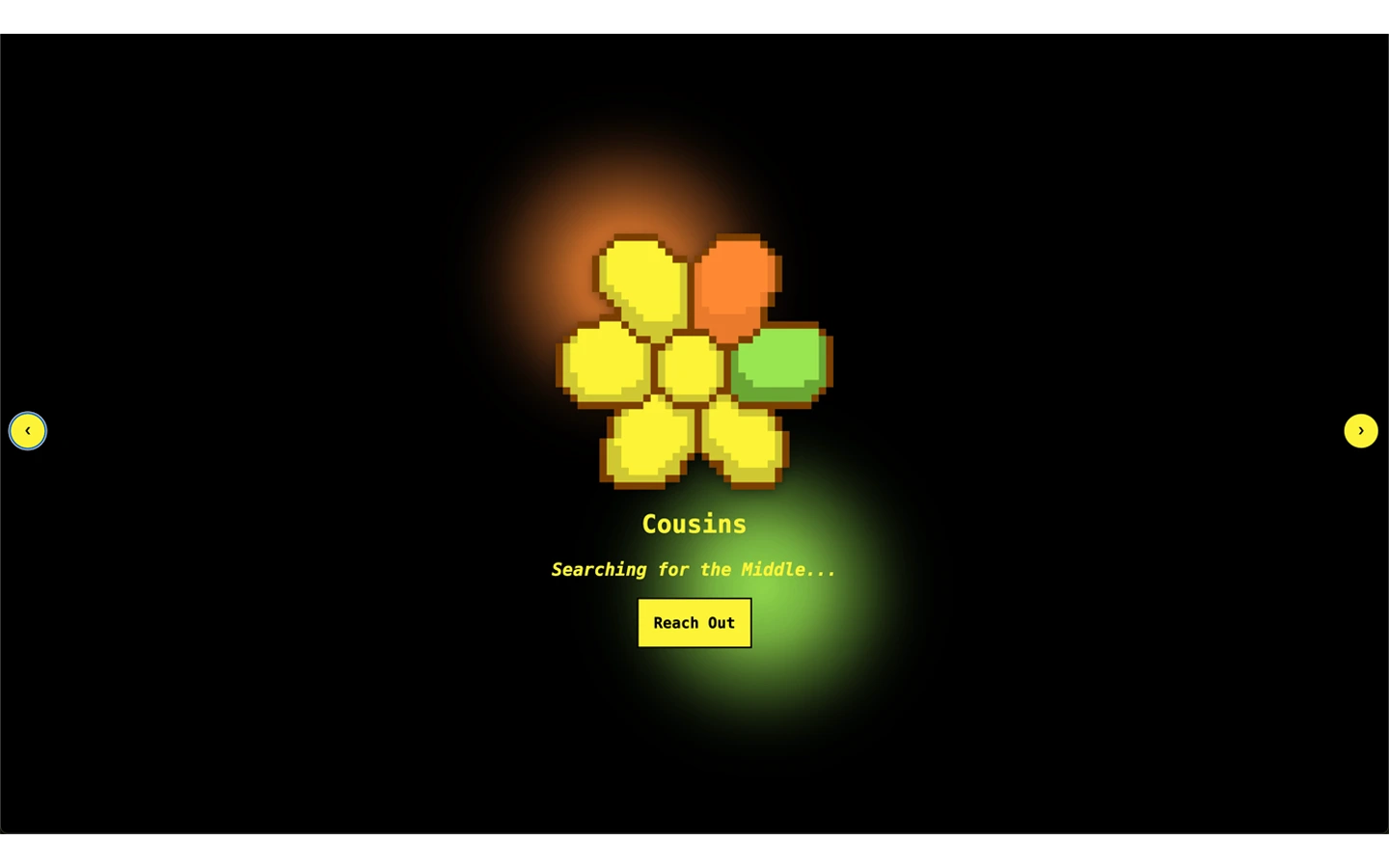
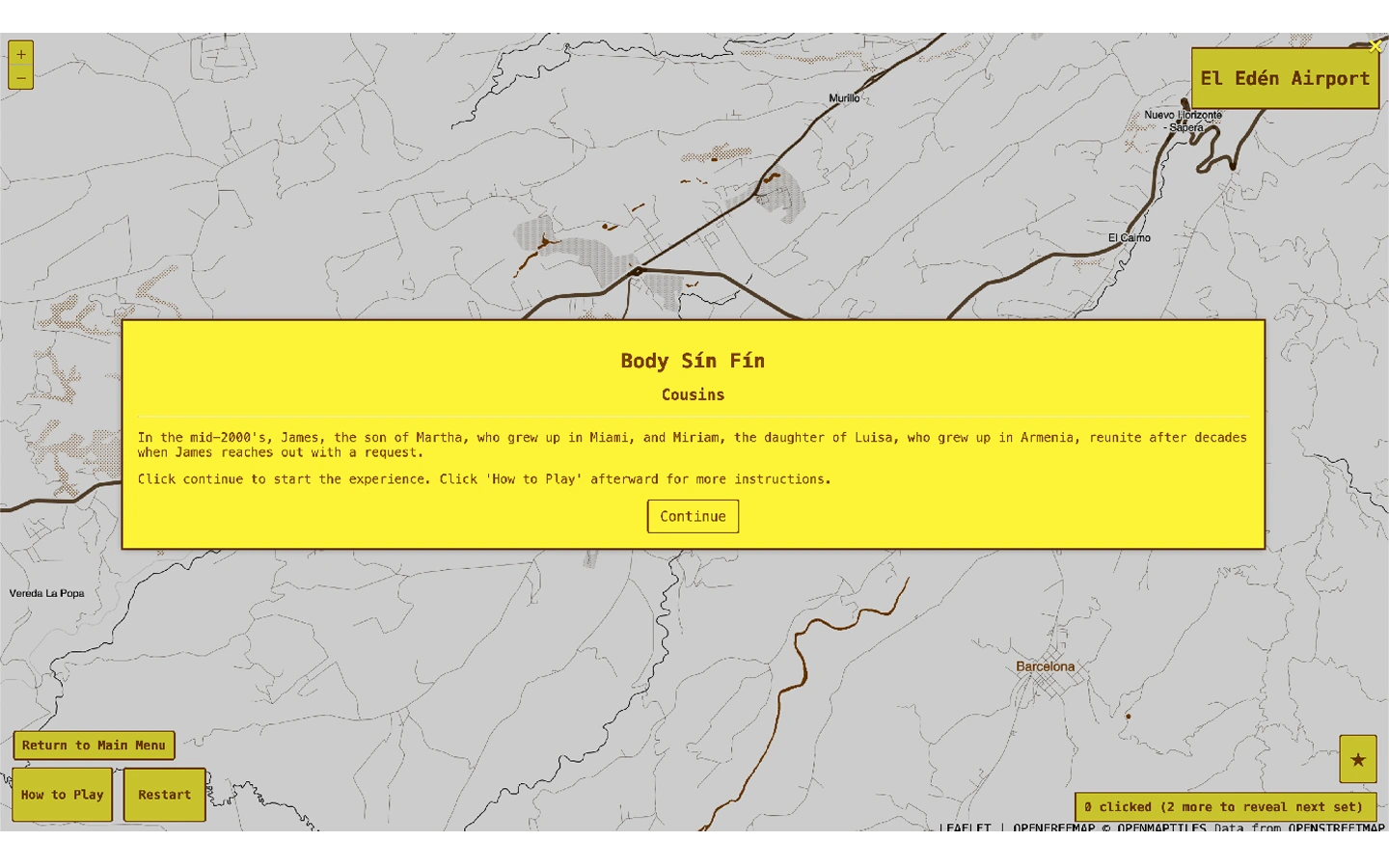
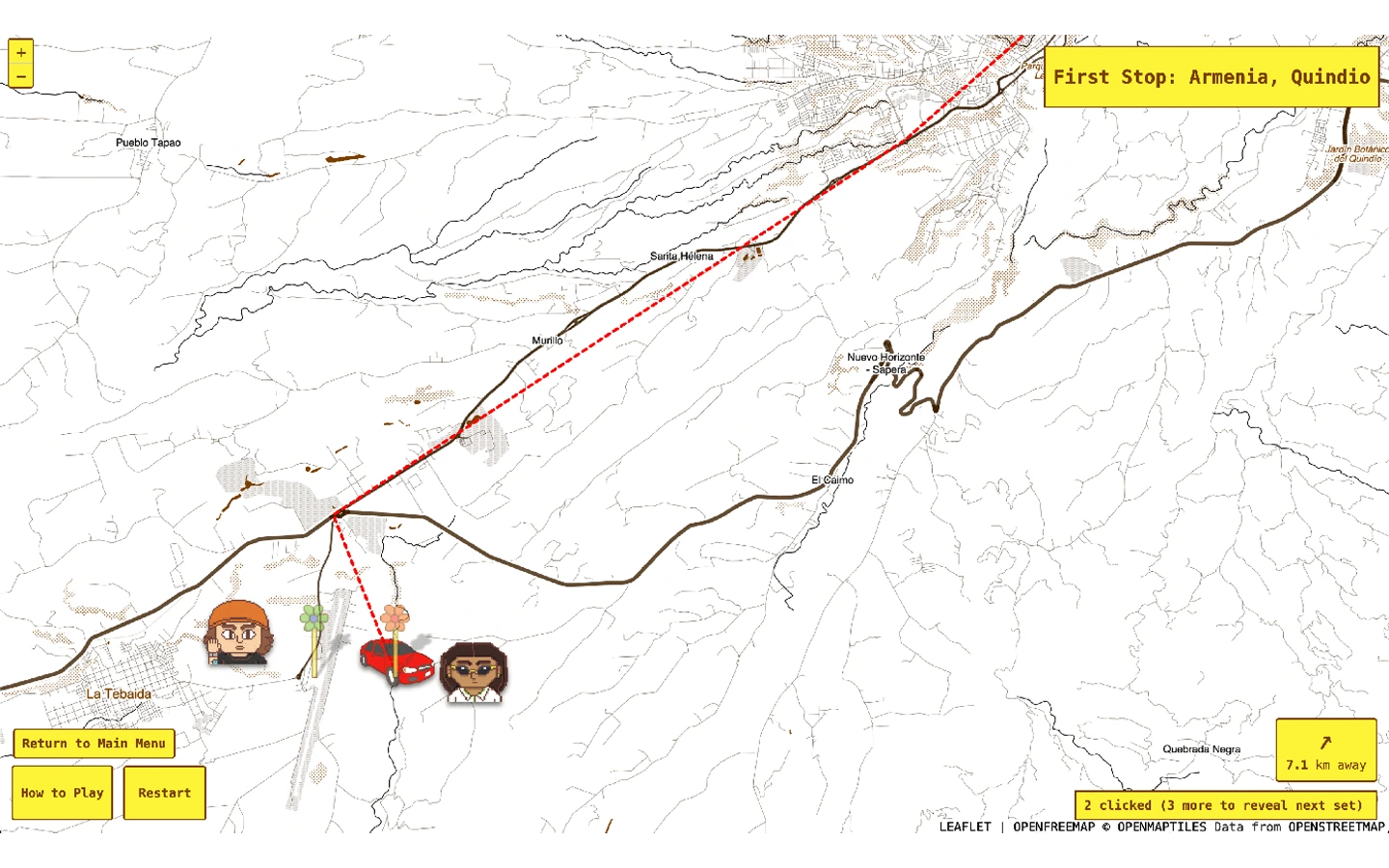
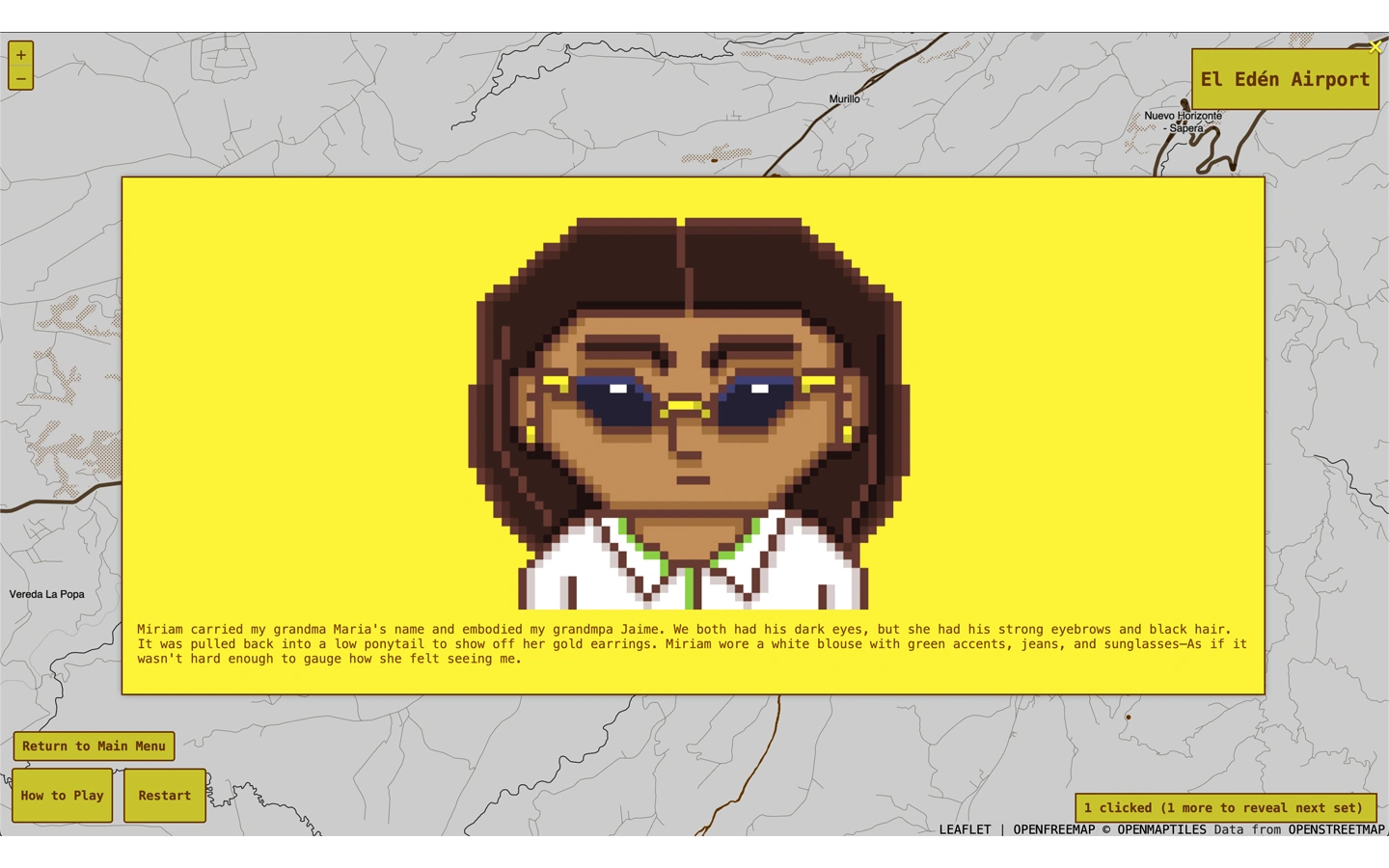
The third story is a road trip across a digital map that follows Martha’s son, James, and Luisa’s daughter, Miriam, who reunite when James returns to Armenia as an adult after many years. Having grown up in Miami, Florida, he asks Miriam to help him travel back to Líbano to see where their grandparents came from. During the trip, they try to reconcile their differing perspectives on the events that created tension within the family.
Research and References
Body Sín Fín was inspired by many different elements leading up to my graduate studies.
Intergenerational Literature by Indigenous authors
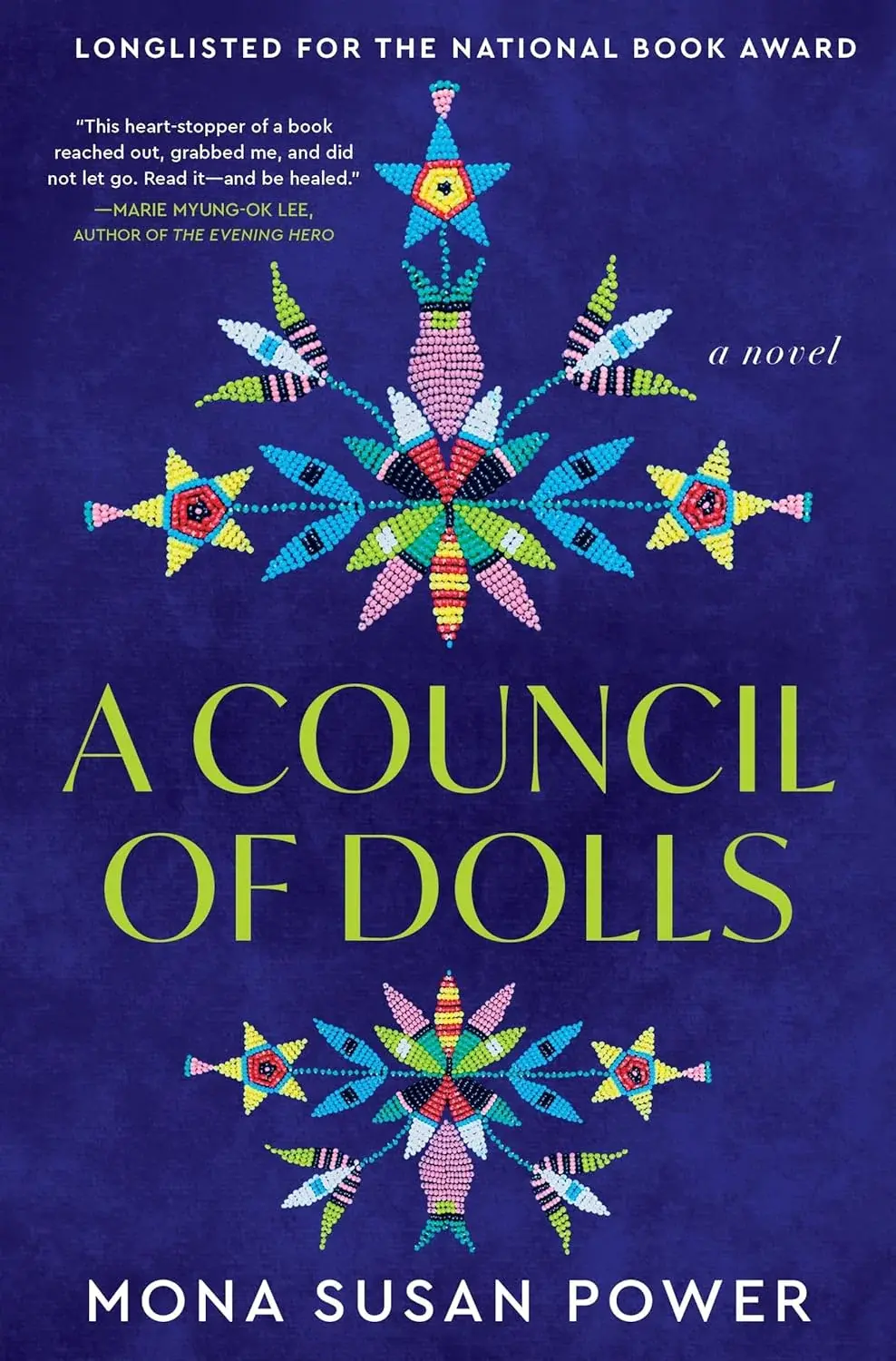
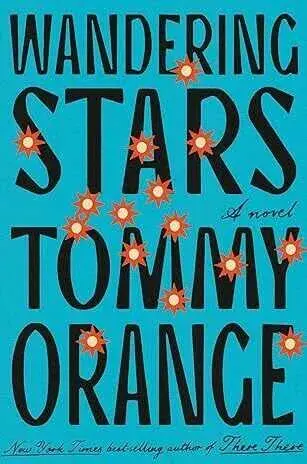
I’d been reading a lot of literature by Indigenous authors like Mona Susan Power, Tommy Orange, and Diane Wilson, who showed how environmental factors like colonialism, displacement, political violence, and more did not just end then and there but would move on to affect the familial dynamics between generations moving forward.
Andean Philosophy
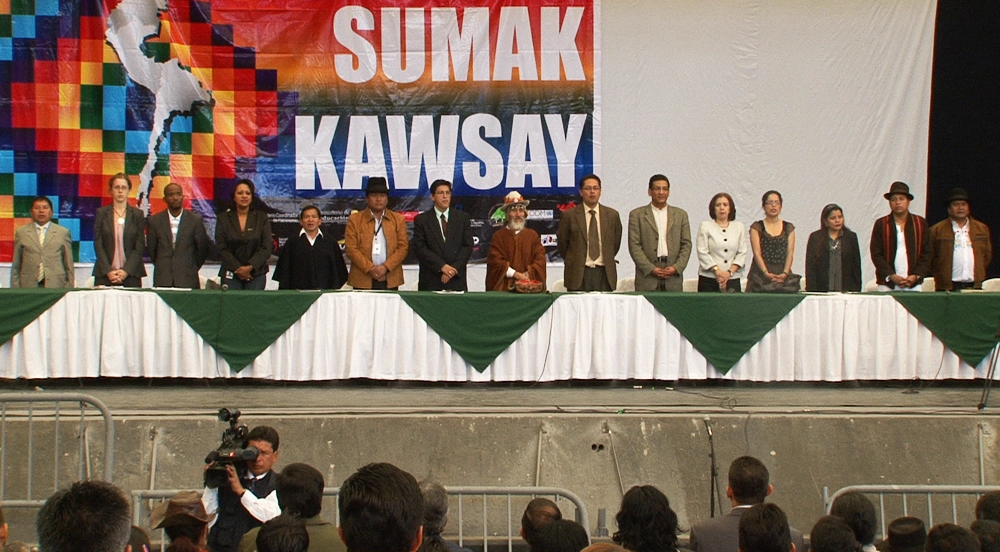
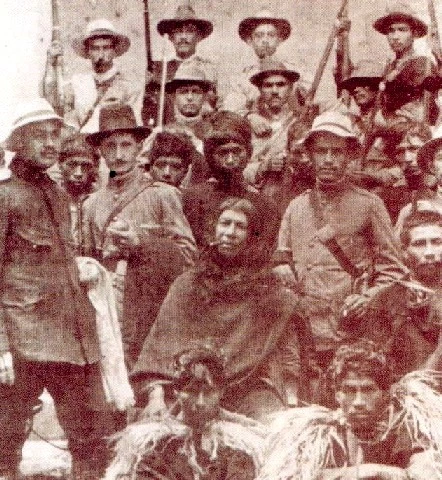
As part of my journey of reconnection, I began taking courses centered on Andean philosophy and Cosmology, hosted by independent educators such as New Amauta. Through his courses, I learned about Sumak Kawsay (Buen Vivir), a holistically socio-pholitical philosophy working towards balance and recognizing the right of nature as well as learned about Manuel Quintin Lame, a Nasa philosopher and rebel who tried to secede departments (states) inside of Colombia into their own Indigenous republic.
Previous Residency Work
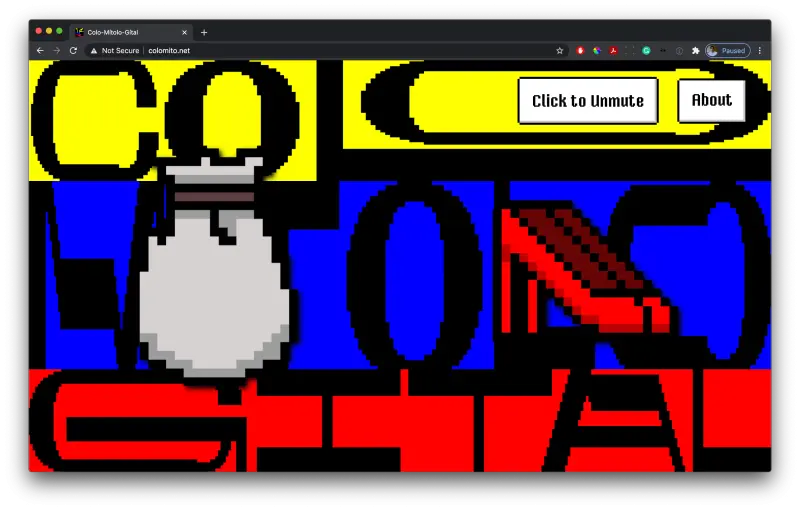
At a previous residency, I was working with similar ideas, developing a project that reinterpreted family stories for the web while layering in Colombian history and culture.
Other Initiatives
An important aspect to my practice is using my work as a platform and starting point for other artists. For Body Sín Fín, there were two collaborations.
Buñuelito Doll
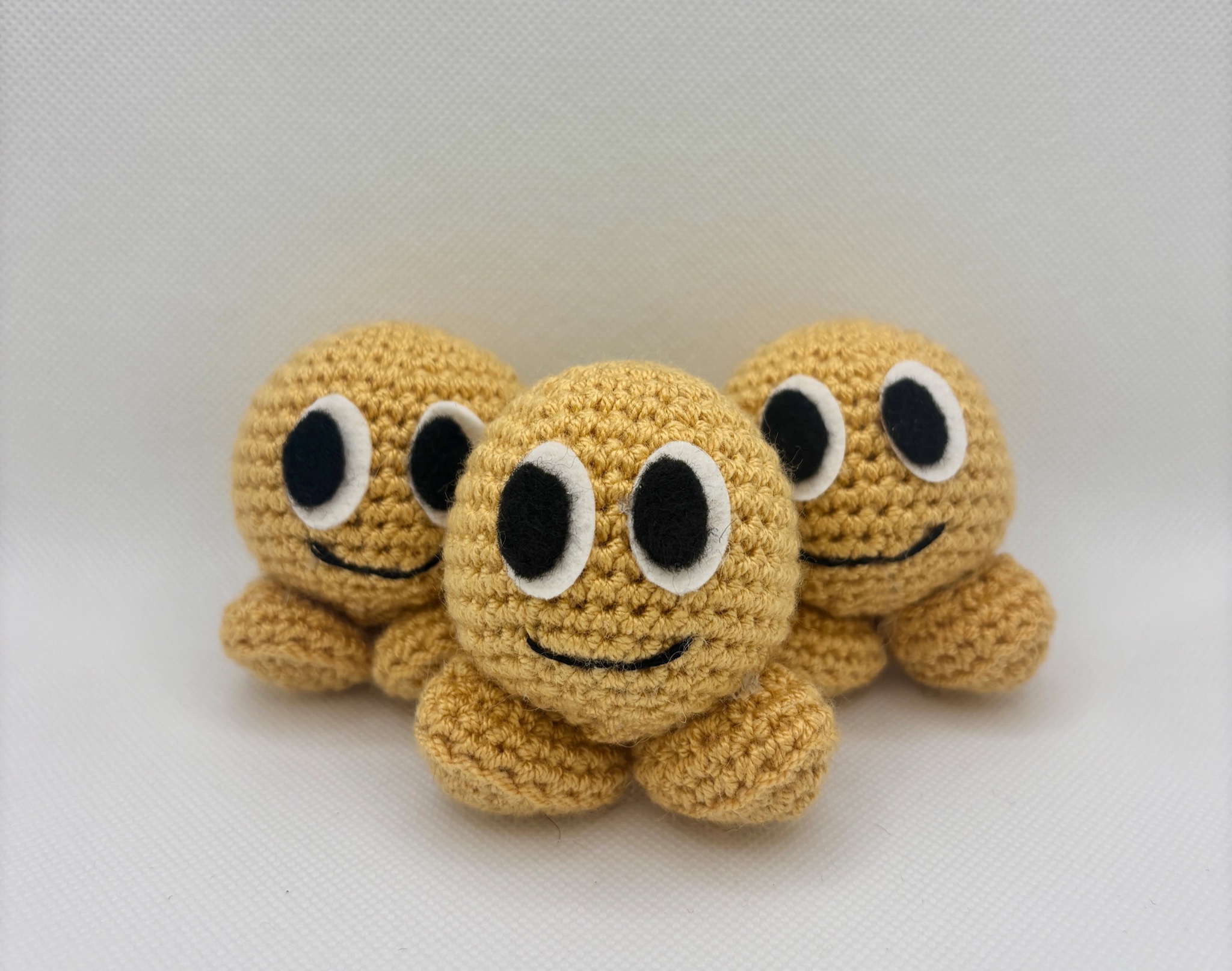
The first is a knitted doll representing a buñuelo that you might find in Colombia’s many panaderías. The body was knitted by my aunt, with the face and packaging done by my sister and her craft business, Cositas de Samantha.
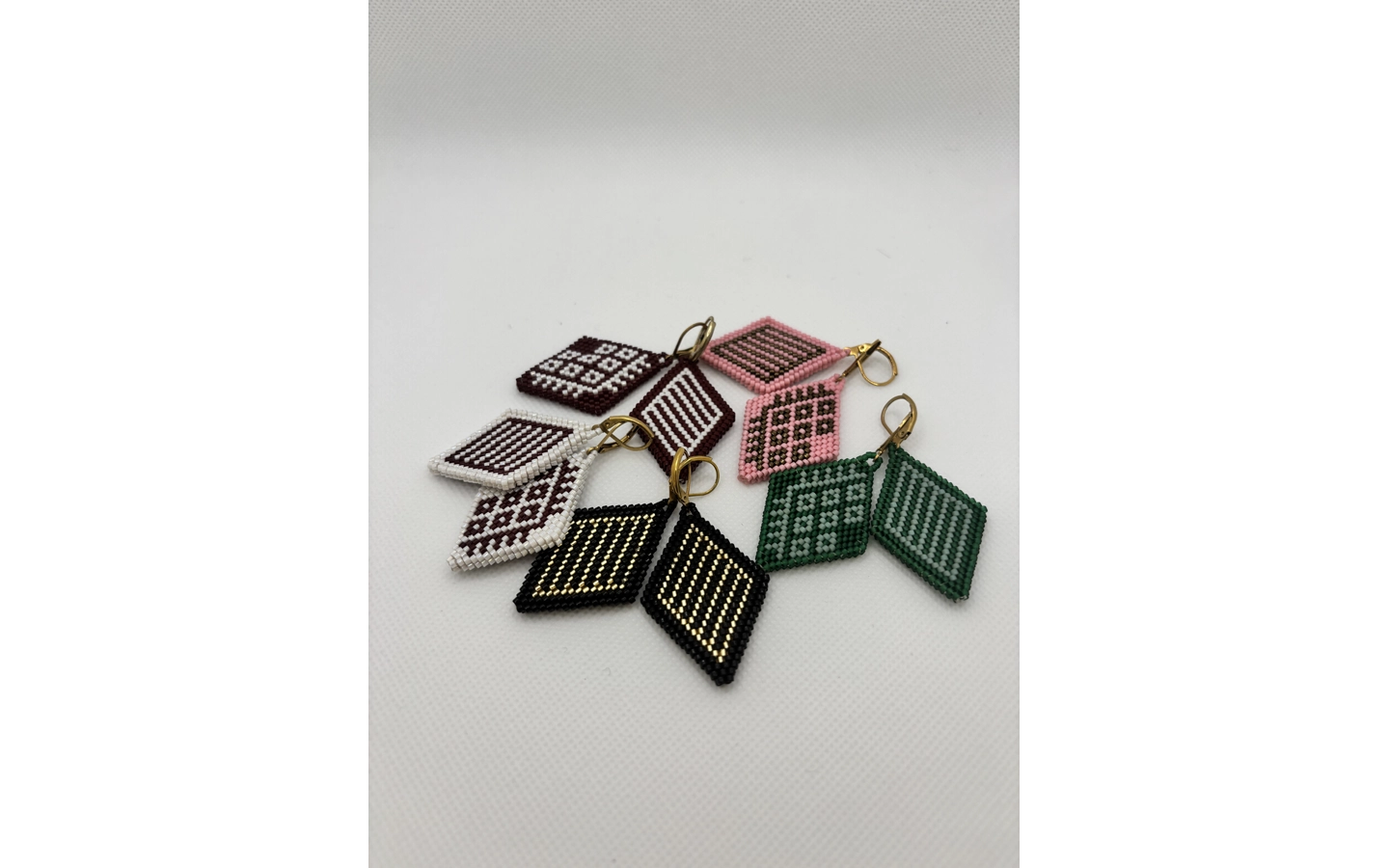
Jewelry Set made in collaboration with Tejiendo Sanación
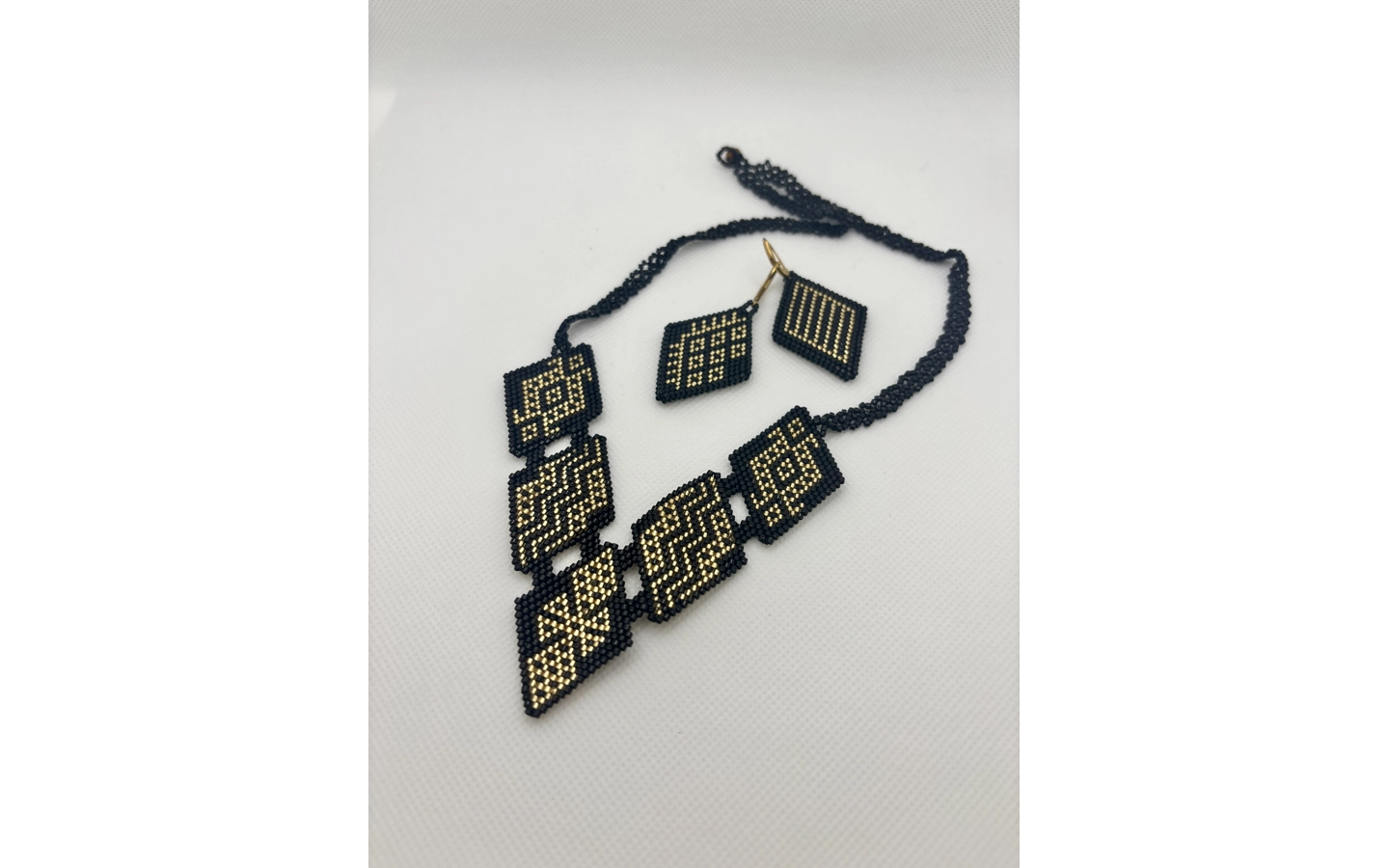
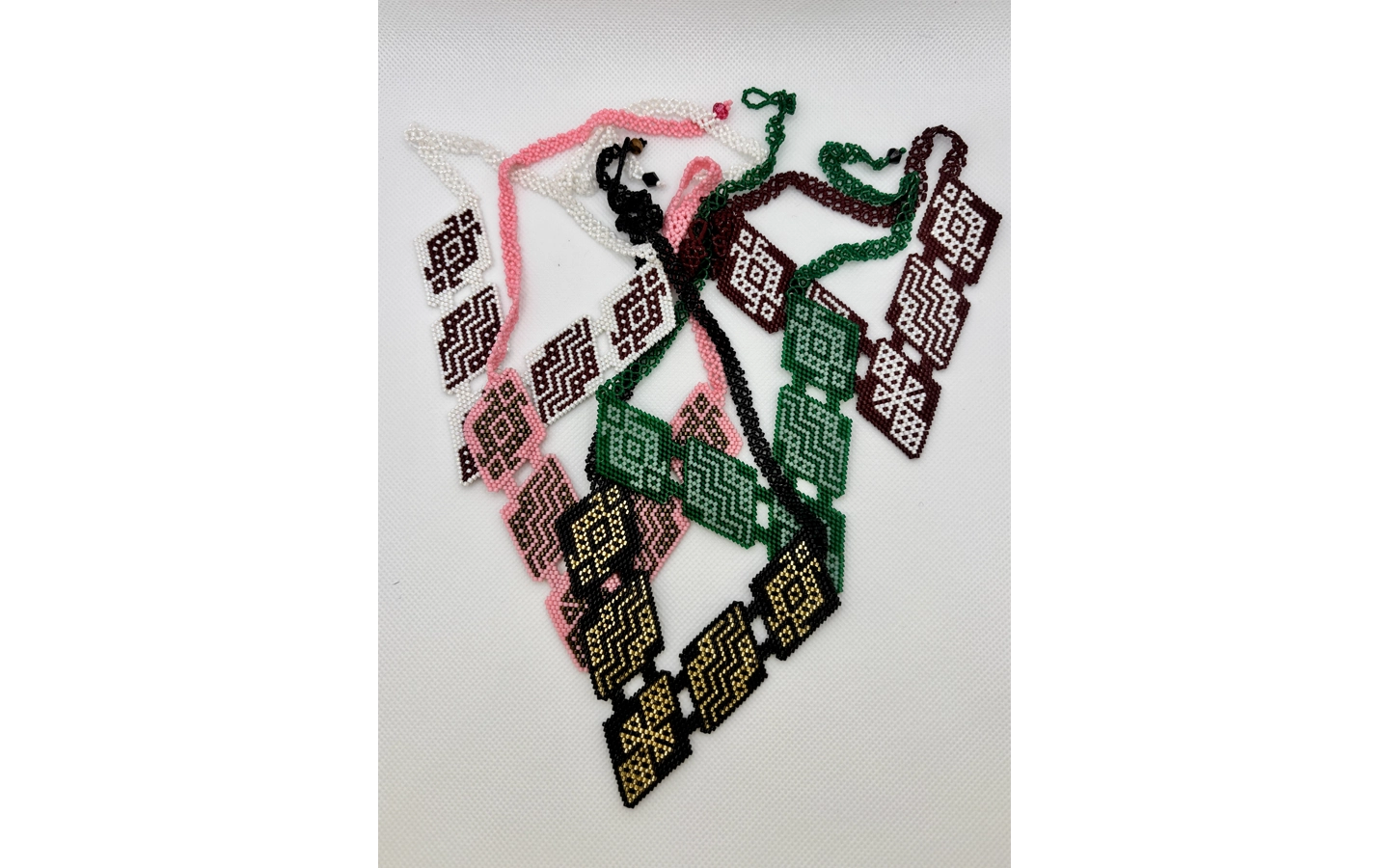
Second is earrings and necklaces made in collaboration with Tejiendo Sanación (Weaving Healing)—an initiative by two Indigenous peoples (Inga and Kamëntsa) from southern Colombia whose ancestral knowledge contributes to cultural strengthening and the sharing of a philosophy of harmonizing life across physical, mental, and spiritual realms.
Next Steps
Next steps will be to submit Body Sín Fín to publications, festivals, and program events in New York, highlighting electronic literature and digital storytelling. I’ll also be participating in markets to promote and sell the merchandise made through the other initiatives.
About The Artist
Kevin Cadena is an American digital folklorist based in Queens, New York, whose artistic practice navigates the relationship between technology, heritage, and identity. Drawing on their Andean roots, they engage with the internet as both a research method and artistic medium to investigate how ancestral lineage can serve as a stabilizing force amid fragmented cultural experiences shaped by migration and digital life. Their work examines how folklore persists within networked environments, where history is often flattened or rendered invisible.
Credit & Recognition
Student
Faculty

Mentors

Contributors
- Copyediting: Chantal Feitosa-Desouza
- Playtesting: Kelsey Cretcher, Lily Lu
- Additional Feedback: Rashid Almheiri, Katie Coleman, Nikariy Dominguez, Quinton Singer, Shing Yin Khor
